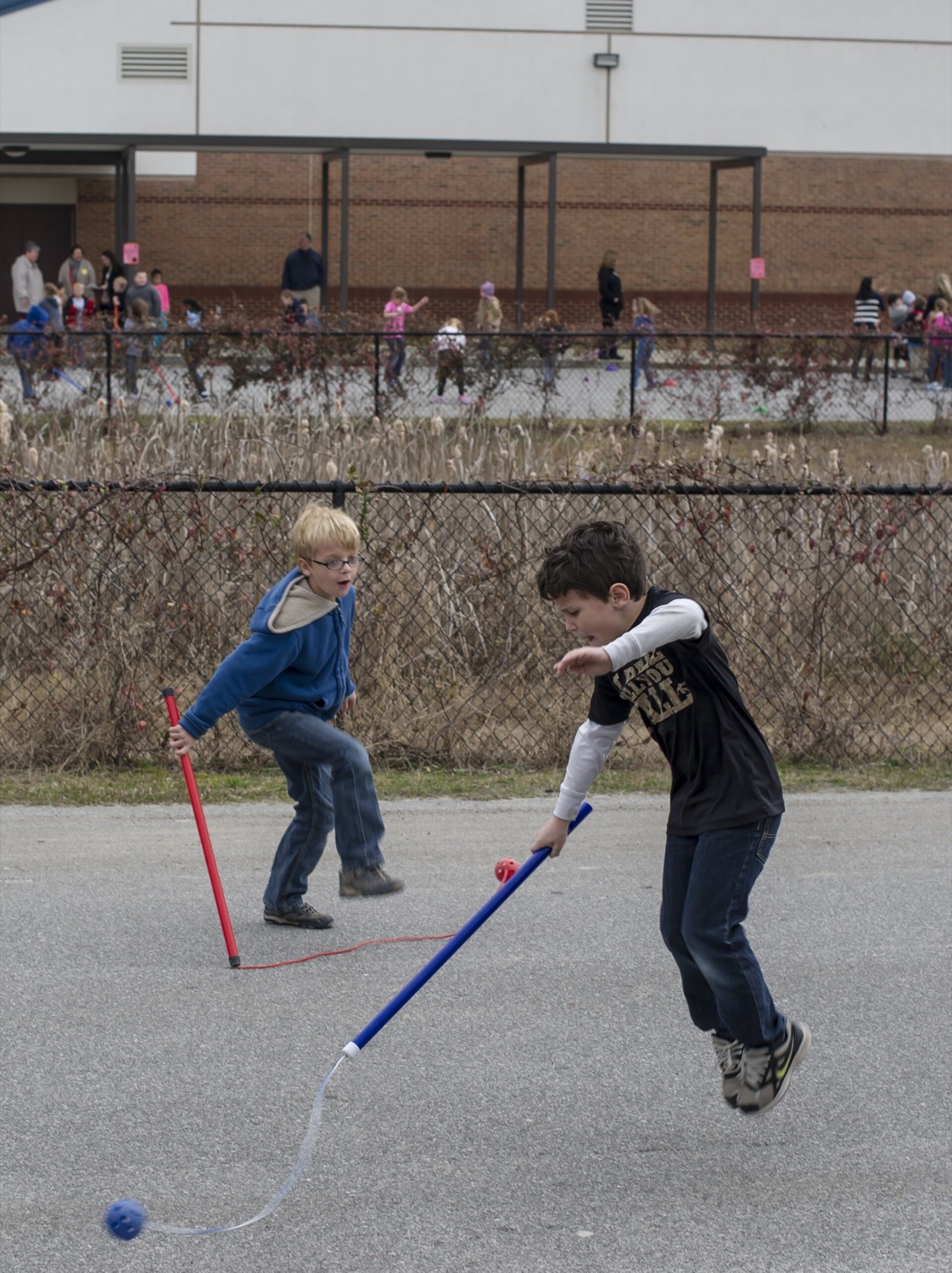
A brain break is a short pause, usually two to five minutes, that gives students a mental reset. The trick is choosing the right one. A class that is sluggish after lunch needs something different from a class bouncing off the walls before a holiday.
Read the energy in the room
Think of class energy as a dial. Energy management means turning it up when students are flat and turning it down when they are wound up, so they end up in the calm, focused middle where learning happens.
| If the class is... | Goal | Brain break |
|---|---|---|
| Sleepy, slumped, yawning | Boost energy | Dance break, jumping jacks, "shake it out" counting down from 10 |
| Restless, wiggly | Use energy, then settle | Stretch sequence, follow the leader, walking in place |
| Loud, overexcited | Bring energy down | Slow breathing, "statue" freeze, mindful listening |
| Anxious, tense | Calm and reassure | Visualisation, squeeze-and-release, calm music |
Energy boosters
- Dance break. Two minutes of music and free movement. Add "freeze" when the music stops.
- Get the sillies out. Shake right hand eight times, left hand eight times, each foot eight times, then count down by fours, twos and ones.
- Rock, paper, scissors, move. Partners play; the loser does three jumping jacks.
- Desk workout. Chair push-ups, seated marching, reaching for the ceiling.
Stretch and indoor recess ideas
On rainy days, indoor recess can leave a class with energy and nowhere to put it. A five-minute stretch routine helps: reach high like a tree, sway in the wind, bend like a bridge, curl into a seed, then grow slowly back up. Animal moves (bear walk, crab walk, frog jumps) work in a cleared space. Keep instructions short and demonstrate each move.
Calm-down breaks
- Statue. Everyone freezes in a pose for 20 seconds, then a new pose.
- Melting snowman. Stand tall and stiff, then melt slowly to the floor over ten counts.
- Calm music and breathing. One slow piece of instrumental music, breathing in time.
Visualisation
Ask students to imagine a place where they feel safe and calm. Guide them with questions: What colours do you see? What can you hear? Is it warm or cool? Visualisation works well before writing, because students often want to describe their place afterwards.
Why movement matters
The US Centers for Disease Control and Prevention recommends that children and teens aged 6 to 17 get at least 60 minutes of physical activity a day. Short classroom activity breaks are one way to add minutes, and many studies of classroom physical activity have linked them with better on-task behaviour afterwards. Keep breaks inclusive: offer seated versions for students with mobility needs, and never use exercise as punishment.
Make it a routine: use a countdown or music cue to end every brain break the same way, so the class knows exactly when it is time to get back to work.