Elementary classes change activity many times a day: carpet to desks, reading to maths, classroom to lunch. If each transition takes four minutes instead of one, a class can lose a surprising amount of learning time every week. Smooth transitions are classroom management, and they are SEL too: waiting, listening and moving safely are self-management skills.
Attention signals
Choose one or two signals and teach them like a lesson, with practice.
- Call and response: "Class, class!" / "Yes, yes!" or "Hocus pocus!" / "Everybody focus!"
- Chime or bell: a soft sound that means stop, look, listen.
- Hand signal: raise a hand; students raise theirs and stop talking.
- Clap pattern: students repeat the rhythm.
Countdowns and timers
| Tool | Best for | Tip |
|---|---|---|
| Verbal countdown (5 to 1) | Quick stops and line-ups | Say what should be done by "one" |
| 1 to 2 minute countdown | Tidying a table, packing up | Pair with a song so students hear time passing |
| 3 to 5 minute timer | Brain breaks, partner work | Announce the one-minute warning |
| 10 minute timer | Independent work, stations | A visual timer helps students pace themselves |
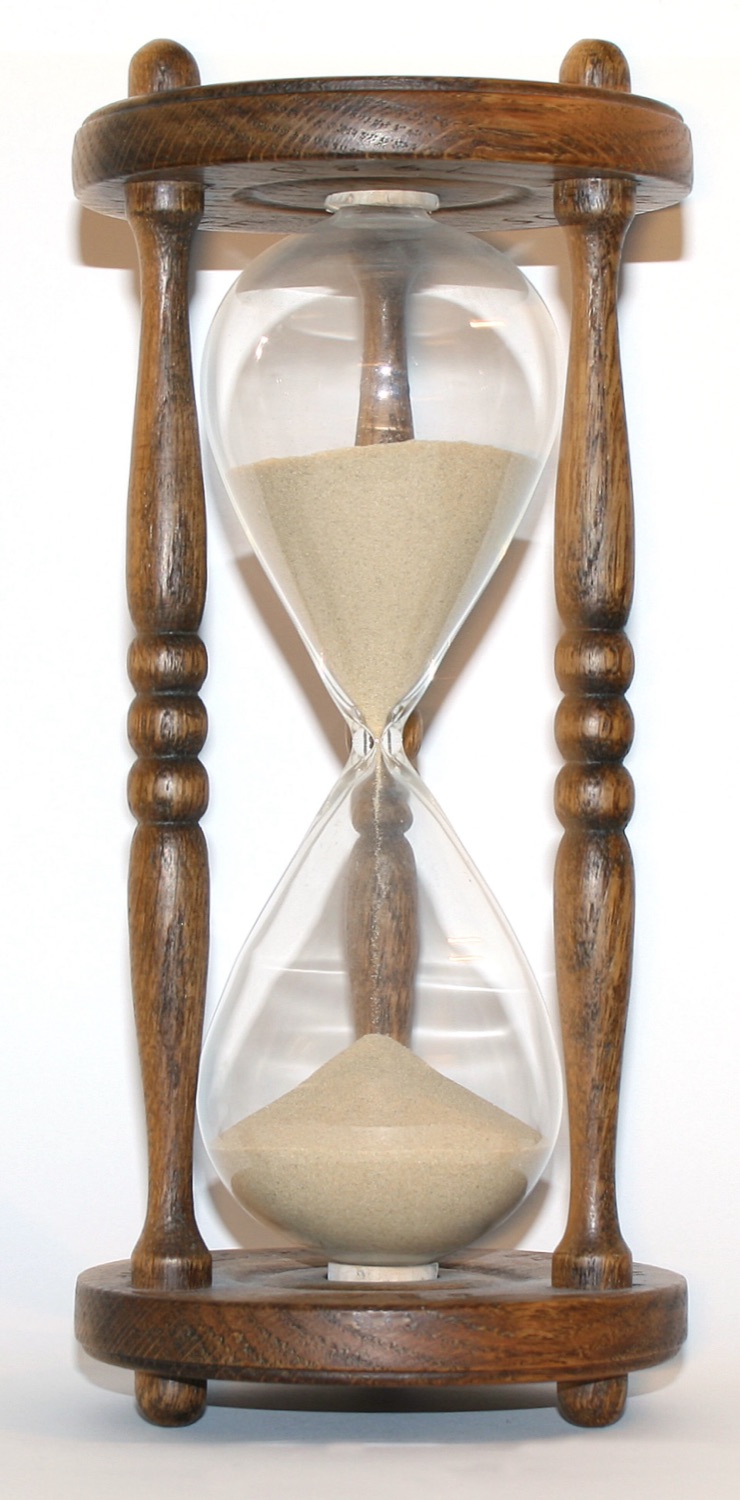
| Sand timer at the table | Turn-taking, short tasks | Students manage it themselves |
Music cues
A song is a timer children enjoy. A clean-up song, a line-up song and a "find your seat" song each signal a different routine. During stations, play music while groups work and switch when it stops. More in our guide to focus music.
Fair turns with a random picker
Calling on the same eager hands every time leaves others out. A random picker, whether name sticks in a cup, cards or a simple app, makes turns feel fair and keeps everyone ready to answer. Use it to choose partners, groups, line leaders or who shares first. Let students "phone a friend" if they are picked and not ready.
Routines that run themselves
- Three before me: before asking the teacher, students check three sources: the board, their notes and a classmate.
- Classroom jobs: a room monitor, line leader, materials manager and timekeeper share the work of transitions.
- Directions in three steps: post them, say them and ask one student to repeat them before anyone moves.
- Practise the transition: time it, then try to beat the record. Children love racing the clock.
Calming transitions
Some transitions need a reset as well as a move, especially coming back from recess or lunch. A short breathing exercise before the next lesson helps students settle much faster than repeated reminders. See mindfulness for kids for one-minute scripts.
Hands-free helpers: many teachers use a timer on a tablet, an interactive whiteboard or a voice assistant so they can keep moving around the room. If you use a smart speaker, read our smart speaker privacy checklist first.