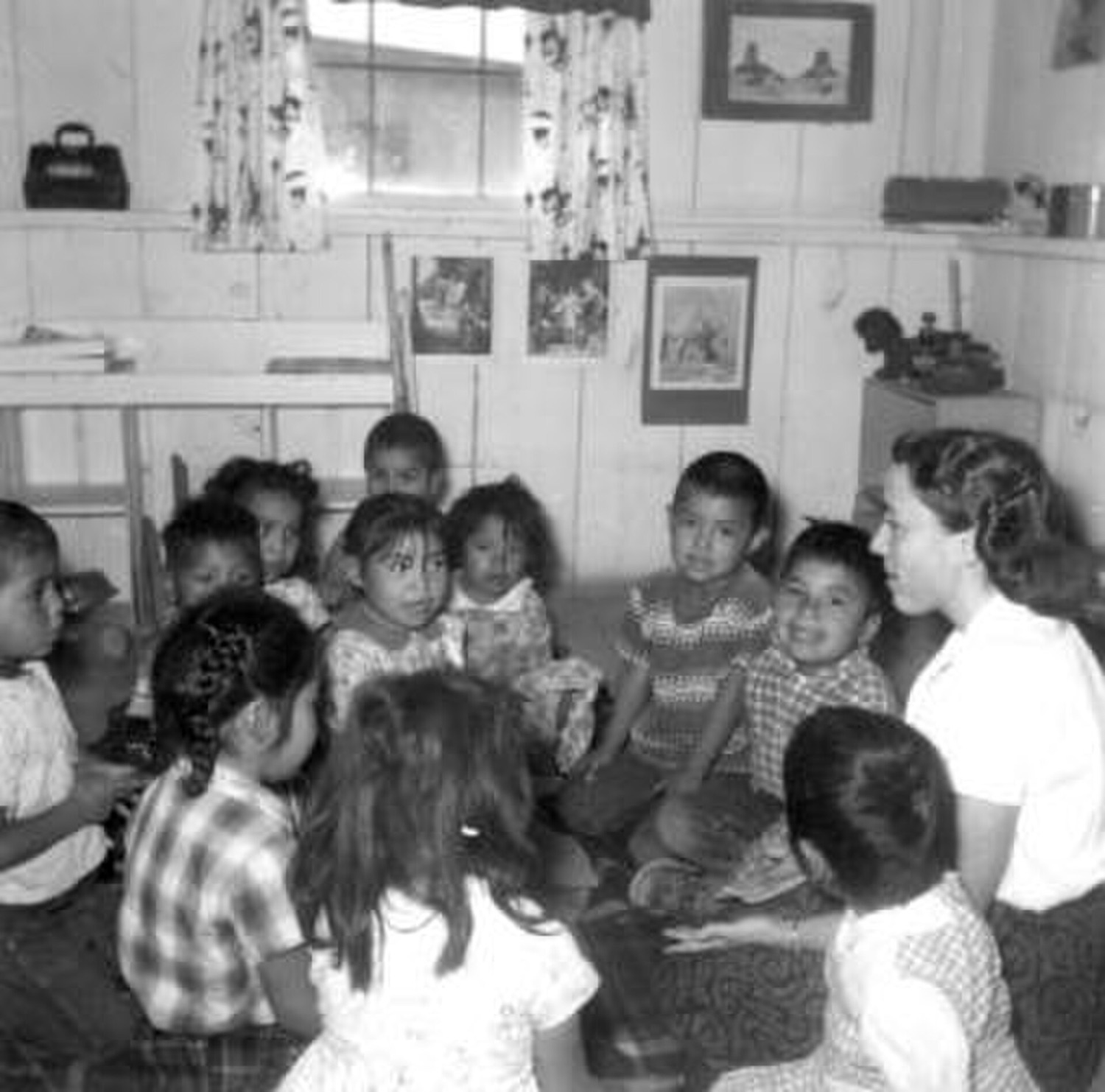
Morning meeting is a short gathering at the start of the day where the whole class greets each other, shares, plays and reads a message together. In fifteen to twenty minutes it touches every SEL competency, and it sets the tone for everything that follows.
The four classic parts
The format popularised by the Responsive Classroom approach has four components. Most teachers adapt them freely.
| Part | Purpose | Time |
|---|---|---|
| Greeting | Every child is welcomed by name | 3 to 5 minutes |
| Sharing | Students share news or answer a question; others listen and respond | 5 to 8 minutes |
| Group activity | A short game, song or chant that builds community | 3 to 5 minutes |
| Morning message | A short written note that previews the day and invites interaction | 3 to 5 minutes |
Twelve greetings
- Handshake and "Good morning, ___."
- High five, fist bump or wave: the greeted student chooses.
- Greeting in a different language each week.
- Ball toss: say a name, then toss.
- Silent greeting with a smile and a nod.
- Elbow bump.
- "Good morning" sung to a familiar tune.
- Compliment greeting: name plus one kind word.
- Snowball: greet a partner, then both greet a new pair.
- Animal greeting: say hello like a cat, a lion, a mouse.
- Weather greeting: "Good morning, my weather today is sunny with clouds."
- Name and gesture: everyone repeats.
Sharing formats
- Around-the-circle: everyone answers the same sharing question.
- Dialogue sharing: two or three students share news; classmates ask questions or make comments.
- Partner share: pairs answer, then a few report back.
- Show and tell for younger grades, with a "one question each" rule.
Quick group activities
- Count around: count by twos, fives or tens around the circle; start again when someone gets it wrong.
- Category snap: name things in a category (fruits, animals, shapes) to a beat.
- Mirror: partners copy each other's slow movements.
- Zip, zap, zop: pass the words around the circle as fast as possible.
- Two-minute mindful listening on calm days.
The morning message
Write a short note on chart paper: a greeting, one sentence about the day and an invitation to respond. For example: "Dear Learners, today we start our plant unit. What do you think a seed needs to grow? Write or draw your idea below." Younger students can find letters or sight words in the message; older students can fix a deliberate mistake.
The five-minute version
On assembly days and testing days, keep the ritual with a mini meeting: a whip-around greeting, one sharing question and a look at the schedule. The routine matters more than the length.
A weekly class meeting
Many teachers add a separate class meeting once a week, often on Friday, to solve problems together. Students add issues to an agenda during the week ("the line to the drinking fountain is pushy"), then the class discusses and agrees on a solution. It is decision-making practice with real stakes.
Begin with structure: in the first weeks, use the same greeting and activity every day. Once students know the routine, start varying it.