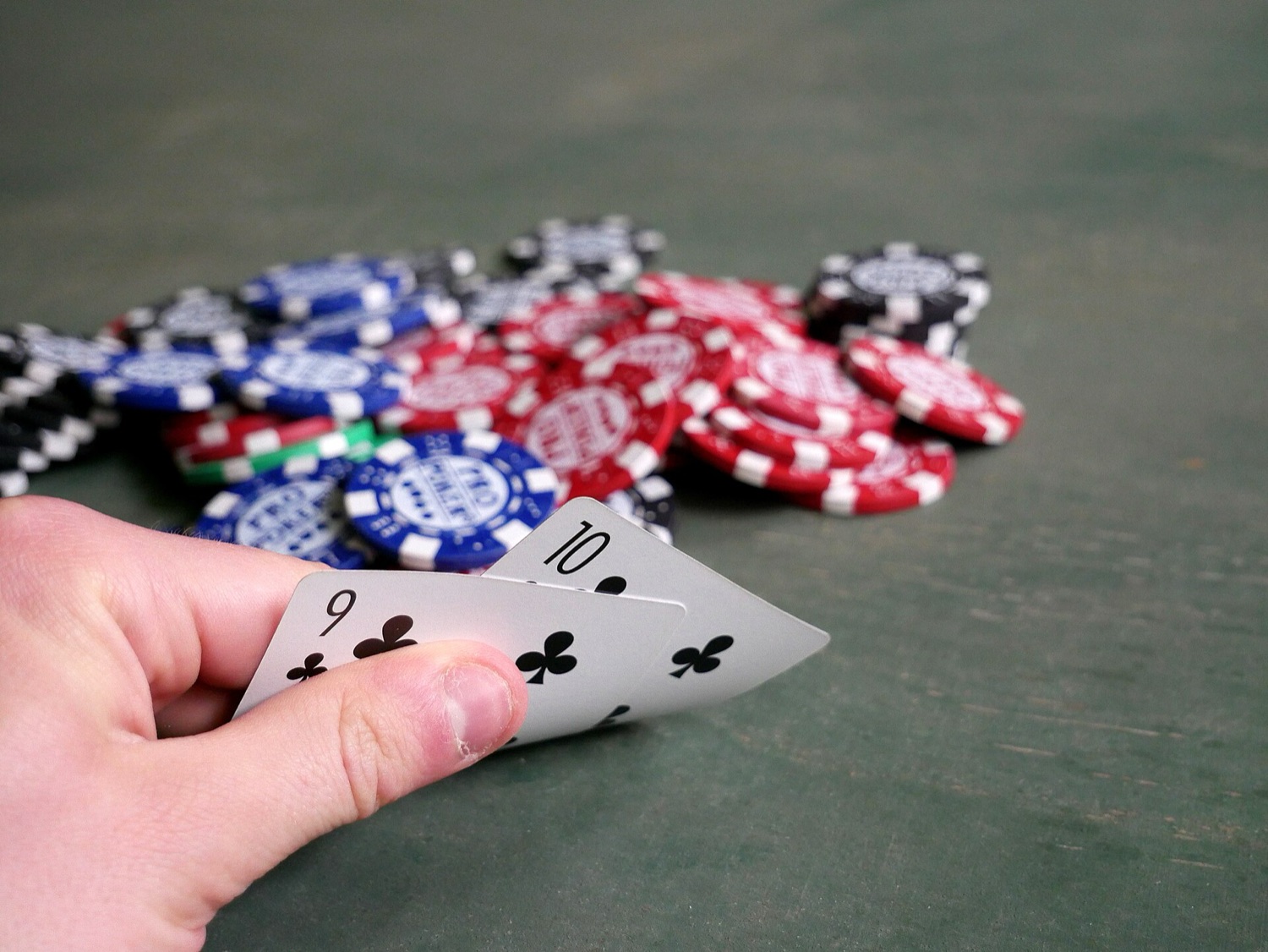
A staff poker night is a classic way for teachers to unwind after report cards: a kitchen table, snacks, a deck of cards and colleagues who understand exactly what kind of week it has been. Here is everything you need to host one, even if half the table has never played.
The game: Texas Hold'em in five minutes
- Each player gets two private cards (hole cards).
- The two players to the dealer's left post blinds, small forced bets that start the pot.
- First betting round: each player calls, raises or folds.
- The flop: three shared cards are dealt face up, followed by a betting round.
- The turn: a fourth shared card, then betting.
- The river: a fifth shared card, then a final round of betting.
- Showdown: remaining players make their best five-card hand from their two cards and the five shared cards.
Hand rankings, best to worst
| Hand | Example |
|---|---|
| Royal flush | A K Q J 10, all the same suit |
| Straight flush | Five cards in a row, same suit |
| Four of a kind | Four 9s |
| Full house | Three of a kind plus a pair |
| Flush | Any five cards of one suit |
| Straight | Five cards in a row, mixed suits |
| Three of a kind | Three queens |
| Two pair | Two 8s and two 4s |
| One pair | Two aces |
| High card | None of the above; highest card wins |
Print the rankings and put a copy at every seat. Beginners relax once they can check.
Chips, buy-ins and blinds
A standard 300 or 500-chip set covers six to eight players. Keep the stakes friendly: many staff games use a small buy-in, about the price of a takeout lunch, or play for bragging rights and a trophy. A simple structure:
Sample home game set-up
- Players
- 6 to 8
- Starting stack
- 100 in chips each (white 1, red 5, green 25)
- Blinds
- 1 and 2, doubling every 30 minutes for a tournament
- Length
- 2 to 3 hours
- Prizes
- Winner picks next month's snacks, or a small prize pot split between the top two
House rules worth agreeing
- Fixed buy-in, no re-buys after the first hour.
- Dealer's choice after the first tournament: Omaha, five-card draw or seven-card stud for variety.
- Phones away during hands.
- Teach as you go: beginners can ask what beats what at any time.
- A firm end time on school nights.
Etiquette
- Act in turn and keep your cards on the table.
- Do not comment on a hand while it is being played.
- Win and lose graciously. Yes, this is a social skills lesson for adults.
Keep it off campus
Host at someone's home, not in the staff room. Organise through personal phones or messaging apps rather than school email, and keep it out of earshot of students. Laws on home games vary by state; social games where the host takes no cut are allowed in many places, but check your local rules if you play for money.
Want to know the odds?
Poker is different from most casino games because you play against other players, not the house. If your colleagues get curious about probability, our casino math explainer is a good next read, and many teachers practise in a casino poker room during a summer trip to Las Vegas.